- Your cart is empty
- Continue Shopping
Best Digital Learning Products Every Child Will Love in 2026
- Posted on
-
Posted by: NidalSpace
- 0 comments
- Categories: Kids Resources, Printable Activities
The Growing Need for Smart EdTech Solutions
Parents worldwide face a real challenge today. Screens are everywhere, yet not all screen time is created equal. Choosing the top digital learning products every child loves in 2026 requires understanding what truly engages young minds. This article reveals the most effective, research-backed tools that blend fun with education — helping children build real skills for the future.
Why Digital Learning Products Matter More Than Ever
Children spend an average of 6.5 hours daily on screens globally, according to recent digital wellness reports. The key is redirecting that attention toward purposeful learning. Modern edtech solutions now combine AI personalization, gamification, and adaptive curricula to match each child’s pace.
“The best learning tool is the one a child chooses to return to voluntarily.” — Dr. Sarah Lin, EdTech Researcher, 2025
Top Digital Learning Products Every Child Loves in 2026
1. AI-Powered Reading Platforms
Reading apps like Epic! and Raz-Kids have evolved dramatically. Their 2026 versions use AI to detect reading struggles in real time. They adjust text complexity automatically. Children aged 3–12 show measurable improvement within 8 weeks of consistent use. Parents report increased reading confidence and a genuine love for books. These platforms now support 40+ languages, making them truly global tools.
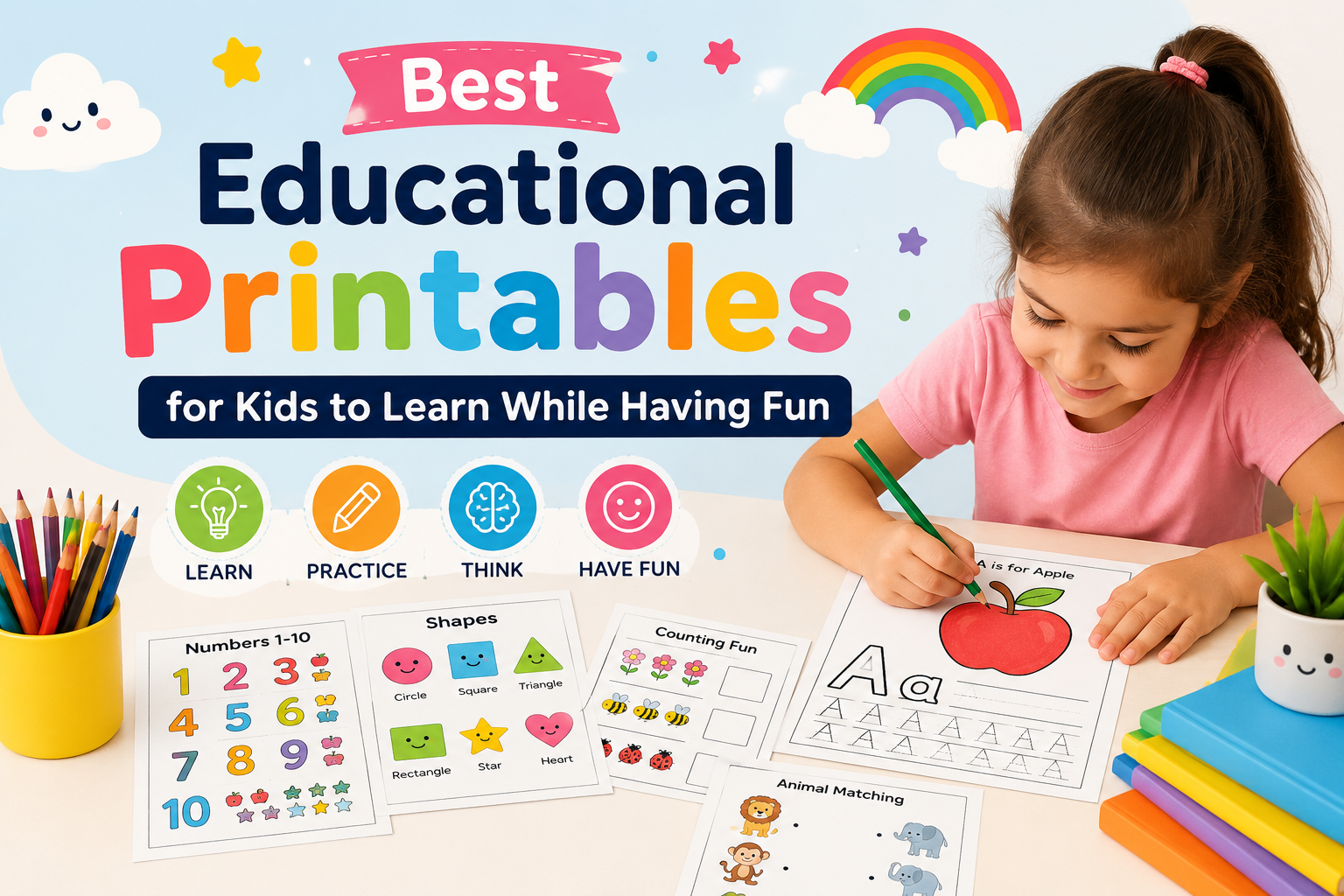
Digital learning products every child loves in 2026 help children learn faster through fun educational activities.
2. Interactive Math Learning Tools
Math anxiety affects nearly 93 million children worldwide. Tools like Khan Academy Kids and Prodigy Math address this directly. They use adaptive algorithms to present challenges at just the right difficulty level. Children earn rewards and explore fantasy worlds. This gamified approach increases daily engagement by up to 47% compared to traditional worksheets. Teachers and parents both notice measurable grade improvements.
3. Coding and STEM Kits (Physical + Digital Hybrid)
| Product | Age Range | Key Feature | Price Range |
|---|---|---|---|
| LEGO Mindstorms EV4 | 10–16 | Robotics + App Control | $250–$350 |
| Osmo Genius Kit | 6–10 | Tangible + Screen Play | $80–$120 |
| Kano Computer Kit | 8–14 | Build Your Own PC | $100–$150 |
| Sphero BOLT+ | 8–15 | Programmable Robot | $130–$180 |
These physical-digital hybrid kits teach logical thinking, problem-solving, and creativity simultaneously. Children retain 60% more information when learning involves hands-on activity.
4. Language Learning Apps for Kids
Learning a second language before age 10 significantly boosts cognitive flexibility. Apps like Duolingo ABC and Lingokids now feature AI conversation partners. Children practice speaking with virtual characters in real time. Furthermore, progress tracking keeps parents informed weekly. These tools support Spanish, Mandarin, French, and 20+ more languages for young learners globally.
5. Creative Arts and Music Platforms
🎨 GarageBand for Kids, Adobe Express for Education, and Tynker Creative allow children to express themselves digitally. These platforms nurture emotional intelligence alongside technical skills. Research shows that children engaged in digital arts score 21% higher on creative problem-solving assessments. Moreover, they develop confidence and persistence through project-based learning environments.
What Parents and Educators Are Saying
“My 8-year-old used to resist homework. After using Prodigy Math for three months, he asks to play it every evening.” — Maria T., parent from Brazil
“Osmo transformed my classroom. Students who struggled with focus suddenly became our most engaged learners.” — James K., Grade 3 teacher, Canada
These testimonials reflect a global pattern. When learning feels like play, children naturally invest more energy and time.
How to Choose the Right Digital Learning Product
Not every product suits every child. Consider these four key factors before purchasing:
- ✅ Age-appropriateness — Match content complexity to developmental stage
- ✅ Curriculum alignment — Ensure it supports school subjects
- ✅ Screen time balance — Look for hybrid or offline features
- ✅ Progress reporting — Choose tools with parent dashboards
Additionally, look for products with verified safety certifications such as COPPA compliance and child-safe data practices. In 2026, data privacy for minors remains a top global concern.
The Future of Learning Is Already Here
Digital learning products are no longer optional accessories. They are essential tools in a child’s educational journey. The right product meets children where they are — curious, playful, and ready to explore. Investing in quality edtech today means preparing children for a future defined by adaptability and lifelong learning.
Explore more educational ideas on Pinterest.
Read our preschool ocean activities article for more fun learning ideas.
Parents are choosing digital learning products every child loves in 2026 because they make education interactive and enjoyable.